
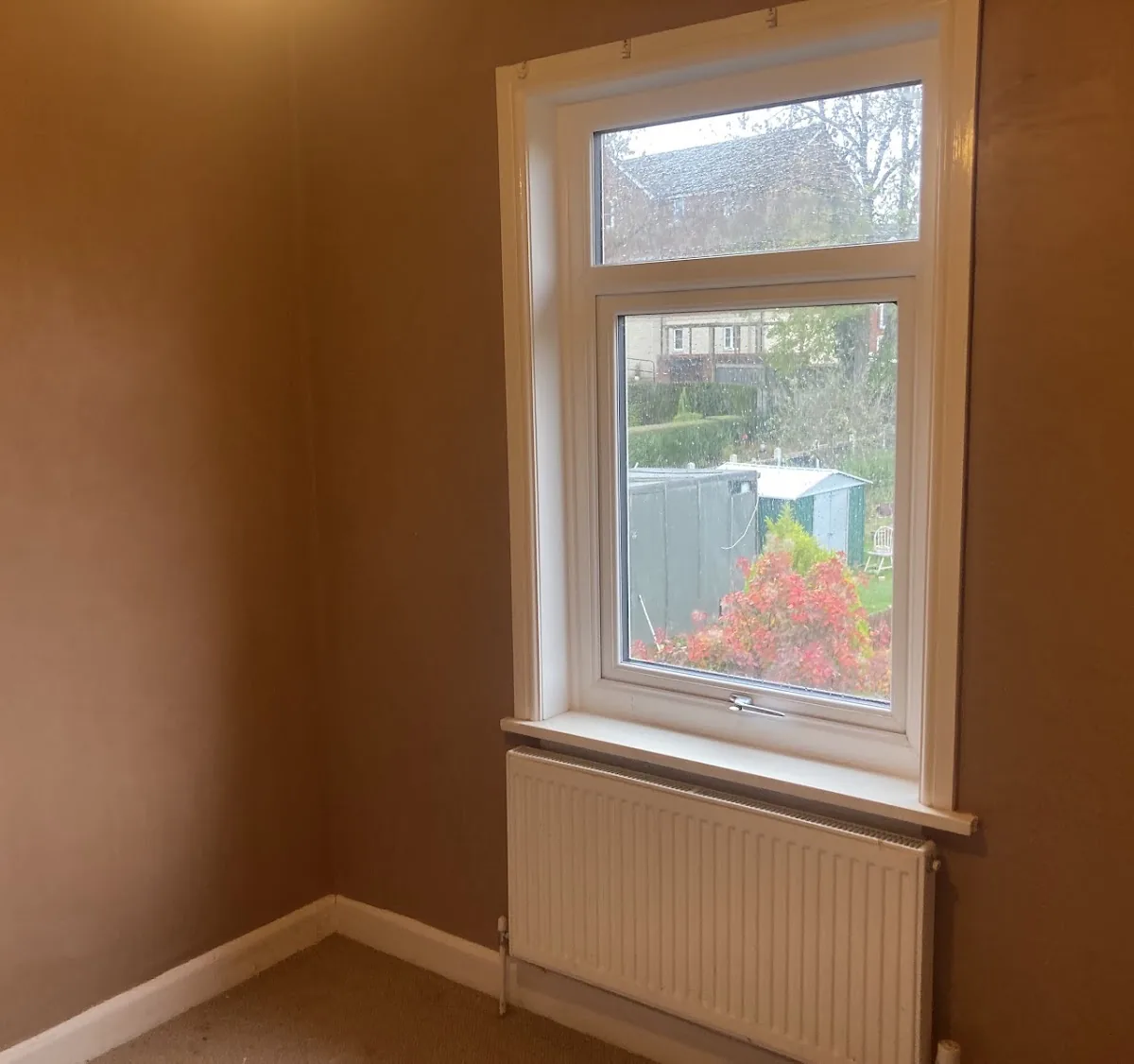
The question I get asked most once the last wall is finished is how soon it can be painted. It is a fair question. You have had a room out of action, the walls look smooth, and you want to get the furniture back in. But painting too early is one of the most common ways to spoil a good plastering job, so it is worth knowing what to look for.
Why new plaster needs time
A skim coat goes on wet and the water in it has to leave before the wall is ready for paint. On the surface it can feel firm within hours, but there is still moisture underneath. If you seal that in with emulsion, it has nowhere to go and the paint can bubble, crack or peel.
Dulux's own guidance says that, as a rule of thumb, plaster can take up to four weeks to dry completely. That is the upper end. A thin skim over plasterboard in a warm, ventilated room usually dries a lot faster than a thick coat over a cold solid wall, which is why I would rather tell you what to look for than give you a fixed number of days.
How to tell when plaster is dry
Fresh plaster starts off a darker brown or pink and goes lighter and more even as it dries. The simplest check is the colour:
- Dark patches mean there is still moisture in that area, often in corners, behind radiators or on outside walls.
- A wall that is one even pale pink from top to bottom is usually ready.
- If one area stays dark for much longer than the rest, it is worth asking why, as it can point to a damp problem rather than slow drying.
Ceilings and walls in the same room often dry at different speeds, so check each surface rather than assuming the whole room is done.
What affects drying time
Thickness and background
A re-skim over sound plaster or new board is a thin finish coat, so it dries relatively quickly. A wall that has been taken back to brick and built up again in layers holds far more water and needs longer.
Temperature and air flow
Warm air carries moisture away, and moving air helps. Keep the heating on low and steady, crack a window, and leave internal doors open where you can. Through the colder months in West Yorkshire that matters more, because a cold, closed-up room can take a lot longer to dry out.
Not too much heat
It is tempting to point a heater at the wall to speed things up, but gentle and even is better than fierce and local. You want the whole surface drying at a similar rate.
The first coat: a mist coat
Bare plaster is very absorbent. If you roll ordinary emulsion straight on, the plaster soaks the water out of the paint and it can struggle to bond properly. The usual answer is a mist coat: a watered-down coat of emulsion that soaks in and seals the surface so the following coats sit on it properly.
A few tips for the mist coat:
- Use a plain, breathable matt emulsion. Check the tin, or the paint maker's guidance, for how much water to add.
- It will be runny, so keep a dust sheet down and roll out drips before they dry.
- Let it dry fully before your top coats go on.
- Some paint makers sell a sealer for new plaster you can use instead of watering down your own paint.
Ceilings and new plasterboard repairs
The same rules apply to a freshly skimmed ceiling. Ceilings show every flaw once the light catches them, so it is worth taking the time with the mist coat there. If you have had a small patch done as part of ceiling plastering or a repair, the patch can dry at a different rate to the old plaster around it, so give it the same time before painting over the whole lot.
Frequently asked questions
Can I hang wallpaper on new plaster?
Yes, once it is fully dry. Wallpaper adhesive also needs a sealed surface, so check the guidance on the paste you are using for how to prepare new plaster first.
Why has my new plaster got a few hairline cracks?
Fine cracks can appear if plaster dries too fast or unevenly. If you spot any, let me know before you decorate so I can take a look.
Do I need to sand new plaster before painting?
A good skim should not need sanding. If there are small nibs, a light rub over with fine paper is plenty.
Need a room skimmed?
I cover Birstall and the surrounding areas, including Batley, Gomersal, Cleckheaton, Morley and Leeds. If you have a room that needs a fresh finish, get in touch for a free quote or call me on 07590 357963 and I will talk you through drying times for your job before I start.