When a wall needs a new surface, there are two broad ways of getting there. You can plaster straight onto the masonry in layers, which is traditional wet plastering, or you can fix plasterboard to the wall or to a frame and finish that, which is dry lining. Both give you a smooth wall ready for paint. Which one makes more sense depends on the room, the wall and what else is going on in the job.
What wet plastering involves
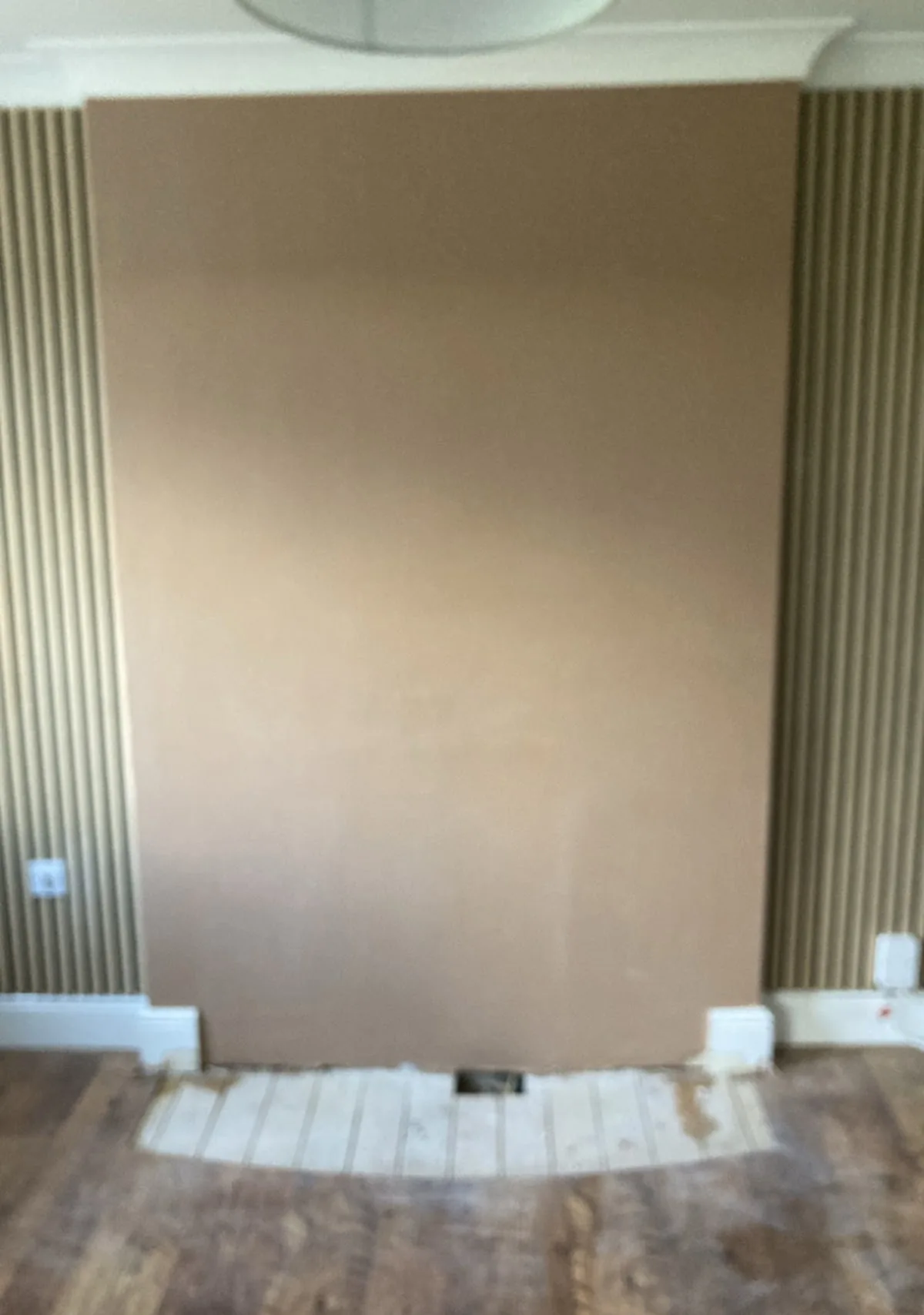
On a bare masonry wall, wet plastering means applying an undercoat to build the wall up and straighten it, then a finish coat on top. On a wall that has been stripped, this is the back to brick approach.
Where it works well
- Solid, hard-wearing finish that stands up well to knocks.
- Follows the wall closely, so you lose almost no room space.
- Suits older properties where you want to keep the character of the walls.
Drawbacks
- More water goes into the wall, so drying takes longer, especially in winter.
- Very uneven walls take a lot of material to straighten.
What dry lining involves
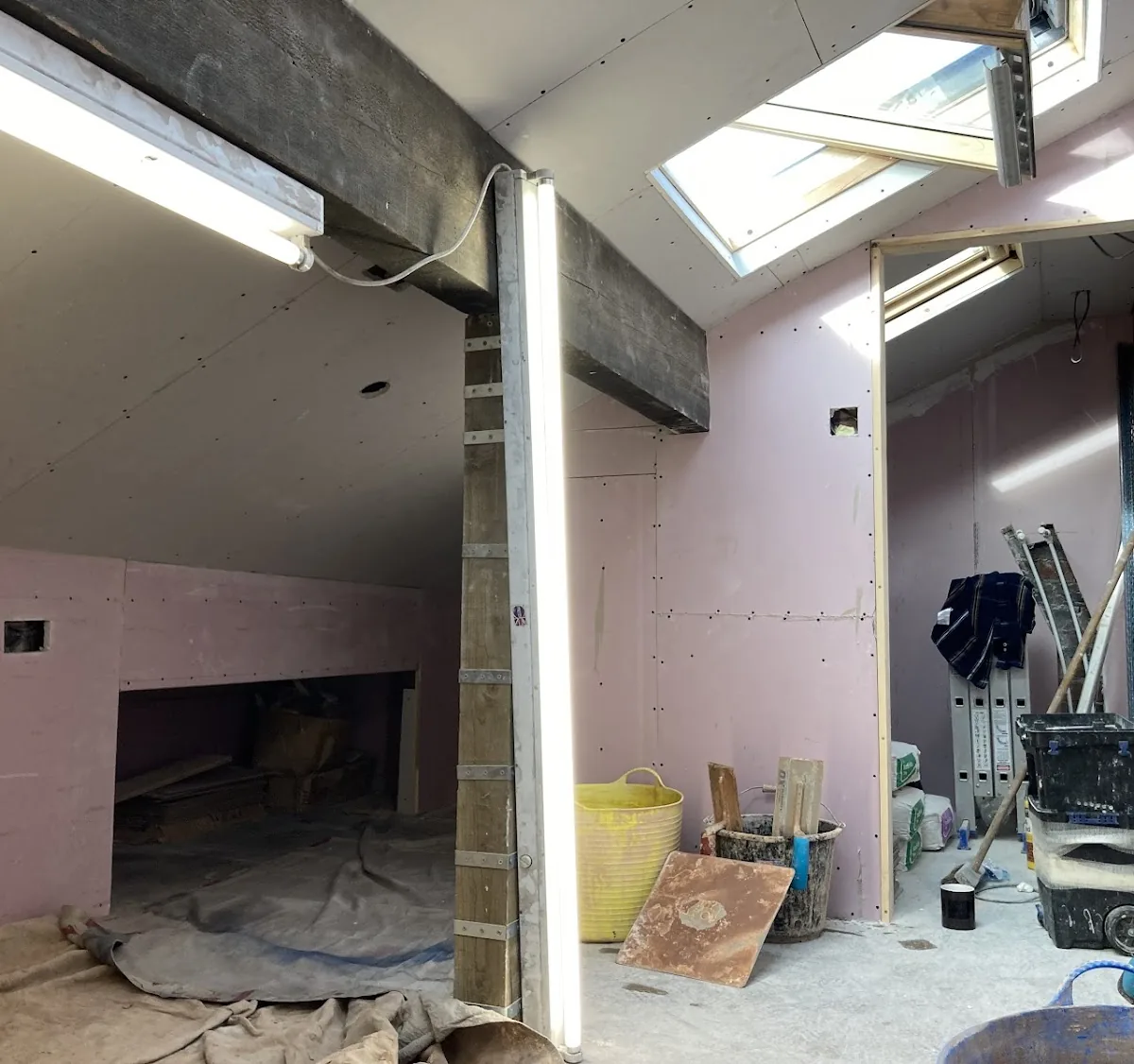
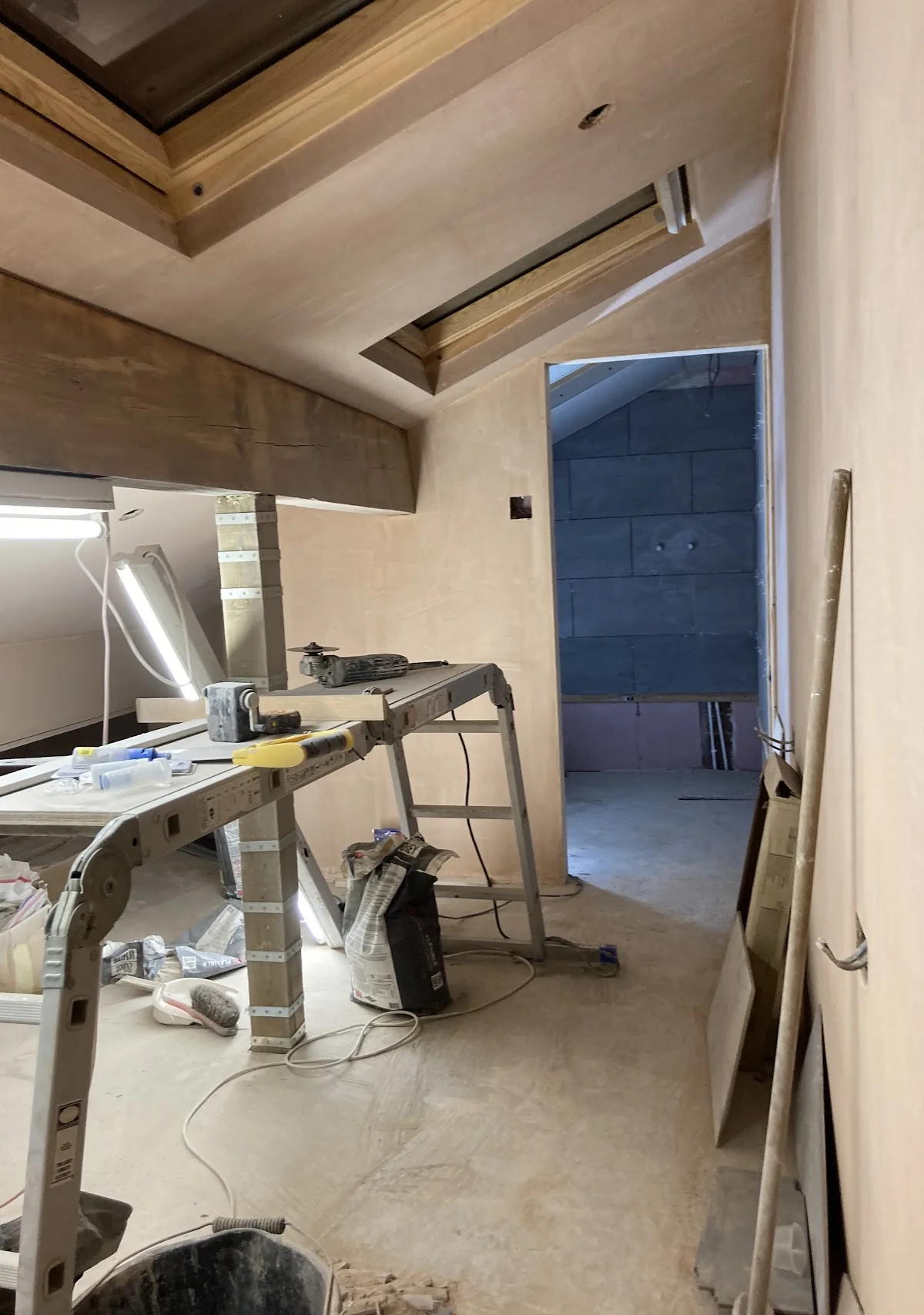
Dry lining means fixing plasterboard sheets either straight to the wall, using adhesive dabs, or to timber or metal battens or studs. The joints are taped and the boards are then skimmed to give a finished surface.
Where it works well
- New stud walls, extensions and loft conversions, where there is no masonry to plaster onto.
- Walls that are very uneven, because the board gives you a flat surface to start from.
- Where insulation is wanted, as insulated plasterboard or insulation between battens can go in at the same time.
- Faster turnaround, because only the thin skim coat needs to dry.
Drawbacks
- Takes up a little more room space, more so with battens and insulation.
- Boards fixed on dabs sound hollow in places when tapped, and heavy items need the right fixings.
- Not a cure for damp. Boarding over a damp wall hides the problem rather than solving it.
Older houses and solid walls
Many homes around Birstall, Batley, Gomersal and Cleckheaton have solid brick or stone walls. These walls need to manage moisture, and how they are finished matters. If there is any sign of damp, the cause should be sorted first whichever method you choose. On sound, dry walls either approach can work, and I will talk you through which suits your room.
Insulating cold outside walls
Some customers ask about dry lining a cold outside wall with insulated plasterboard to make a room feel warmer. It can work, but it is worth thinking it through first. It takes up more room space than a plain board, sockets and window sills may need adjusting, and on older solid walls any existing damp or condensation problem needs to be understood before the wall is covered. If you are considering it, mention it when I come to quote and we can talk through whether it suits the room.
Skimming over existing board
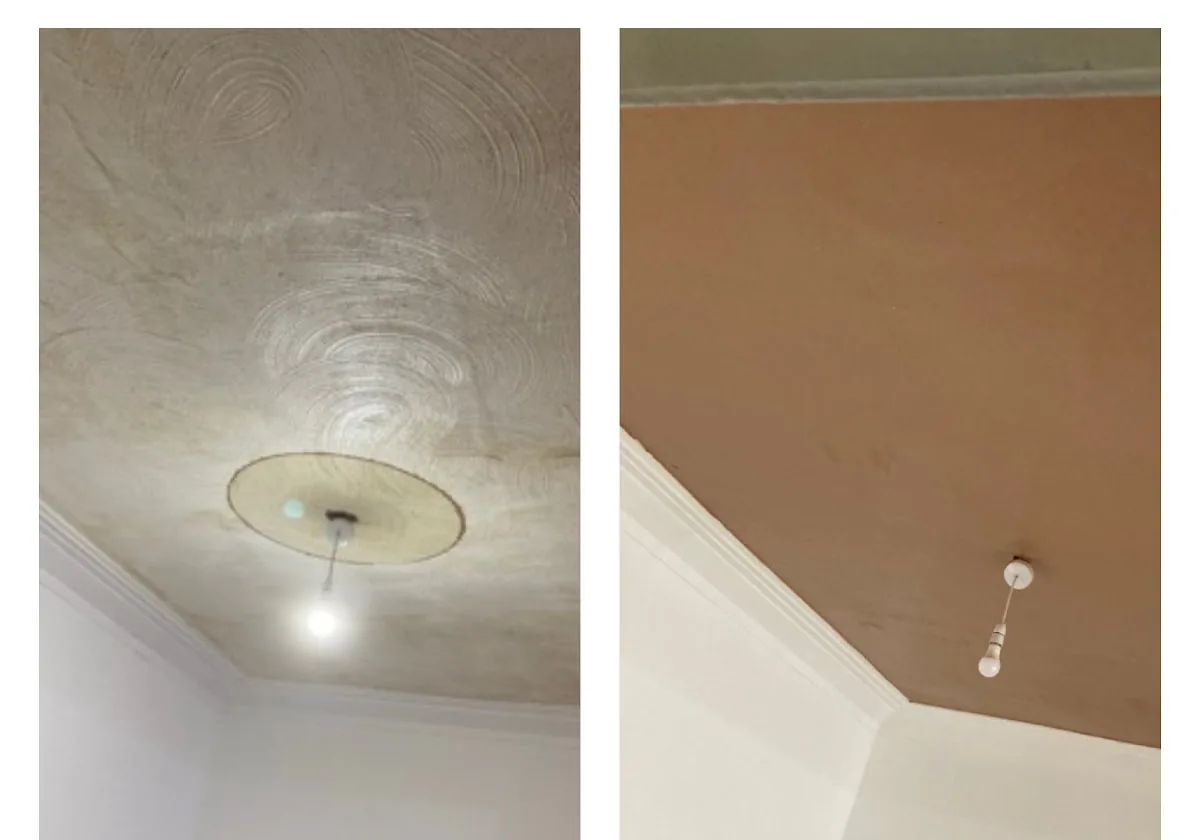
If your walls are already plasterboard and they are just tired or patched, you probably do not need either of these. A re-skim over the existing board is often all that is needed. My post on re-skim or back to brick explains how to tell what a wall needs.
Drying time and the time of year
Because dry lining keeps the water content of the job low, it can be useful in the colder months when drying is slower. Wet plastering is still fine in winter in a heated house, it just needs more patience. More on that in plastering in winter.
Building regulations
If the boarding is part of an extension, loft conversion or other project going through building control, the type of board and insulation may be set out in the approved plans. Check with whoever is managing the project so the right materials go in. Fire-rated, moisture-resistant and insulated boards all exist for different situations.
Frequently asked questions
Is dry lining cheaper than plastering?
It depends on the wall. On a very uneven wall dry lining can save material, while on a reasonably straight wall traditional plastering may be simpler. I price each job on what it needs.
Can you do just the boarding?
Yes. I can board and skim as one job or just do the boarding if someone else is finishing it.
Talk it through
If you are not sure which way to go, I can come out, look at the walls and give you a clear quote. I cover Birstall and the surrounding towns. Request a free quote or call 07590 357963.